Anzac Day Program 2008
Australians recognise 25 April, ANZAC Day, as
an occasion of national commemoration.
ANZAC Day marks the anniversary of the first major military action fought by Australian and New Zealand forces at Gallipoli during the First World War.
At the conclusion of the Second World War, ANZAC Day became a day on which to commemorate the lives of Australians lost in that war as well. In subsequent years the meaning of the day has been further broadened to include Australians killed in all Australian military operations.
The Ballina community and Australians across our great nation will come together again this ANZAC Day to reflect on the many different meanings of war.
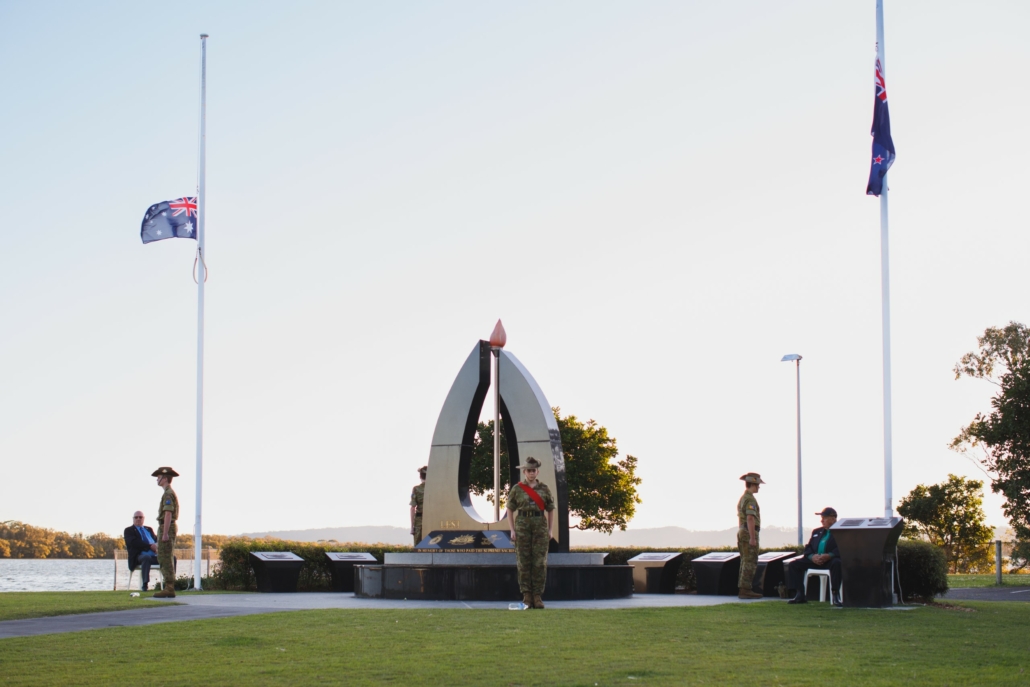
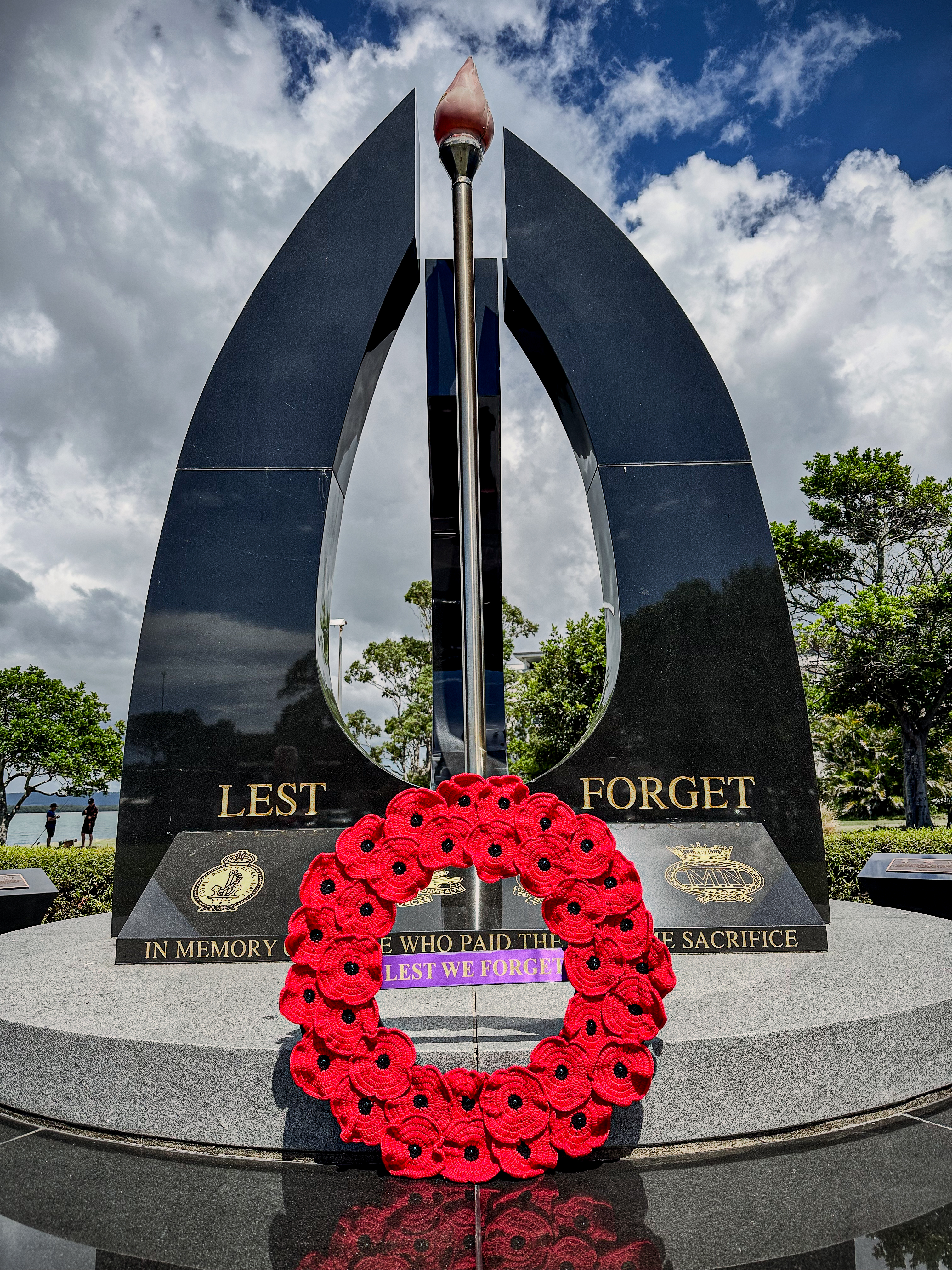
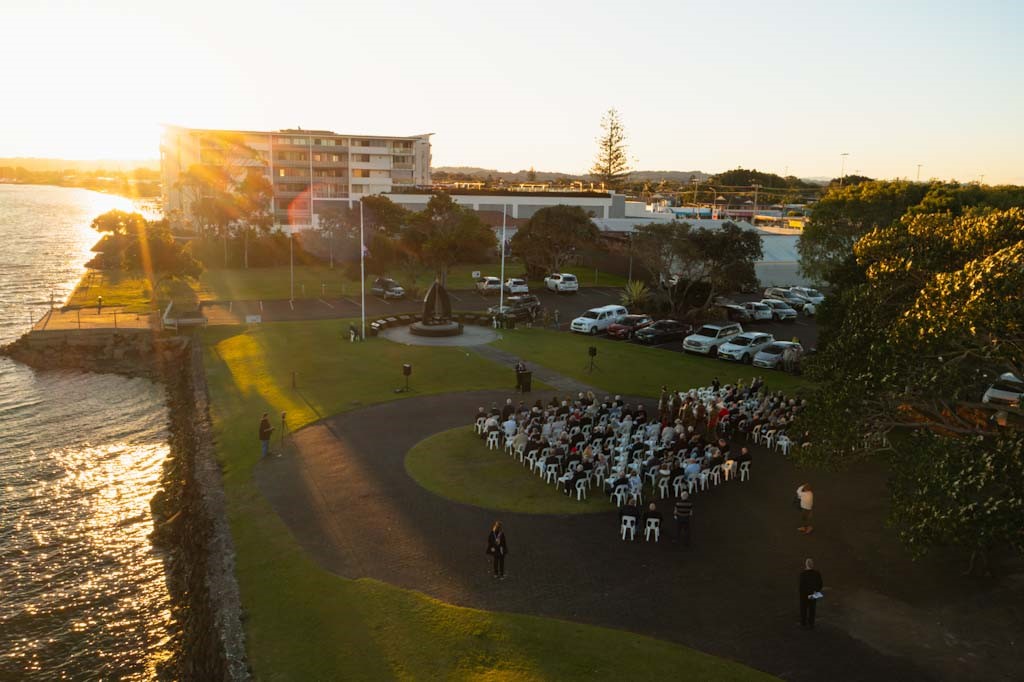
Members of the Ballina community are invited to join us at the RSL Memorial Park for our community services. Click here for Services info.
2008 Ballina RSL Club
Anzac Day Gallipoli Tour - The Experience of a Lifetime
Following a successful club tour to Gallipoli in 2007, the Ballina RSL again extended 'the experience of a lifetime' to members in 2008.
A party of 16 club members have signed up to go on this year's tour - 6 more than last year. Some say that they are going because a relative actually served at Gallipoli, for others, it's something important for them to do as an Australian.
The 2008 Ballina RSL Gallipoli Tour takes place over 8 days/7 nights from 20 April to 27 April. Highlights include the sites of Istanbul and 4 nights in Canakkale - the heart of the Gallipoli region. Expert local guides and Australian War Historians accompany the tour.
Ballina RSL Chairman, Gary Hooley, said: "The Ballina RSL places much importance on heritage and understands the importance of nurturing a sense of understanding and belonging."
"As a club that enjoys a close relationship with its local community, we take great pride in offering experiences that foster learning, empathy and rememberance."
"Both the Gallipoli tour and our Ballina RSL Sub-Branch museum located on the Ground Floor at the Ballina RSL are testament to our strong commitment to our origins - it's wonderful for our members to be able to participate in these kinds of activities. We will always play an integral role in the ANZAC Day and Rememberance Day Services... but do take great delight in going the extra mile."
For three local ladies, last years journey was especially significant.
my dad was there...
... a very personal experience in the lives of Joy, Marcia and Shirley ...

When war broke out in 1914 Australia had been a federal commonwealth for only thirteen years. The new government was eager to establish its reputation among the nations of the world.
In 1915, Australian and New Zealand soldiers set out to take the Gallipoli peninsula, open the way to the Black Sea and capture Constantinople (now Istanbul), capital of the Ottoman Empire.
They landed at Gallipoli on 25 April, meeting fierce resistance from the Turkish defenders. What had been planned as a bold strike to knock Turkey out of the war quickly became a stalemate, and the campaign dragged on for eight months ... over 8,000 Australian soldiers were killed.
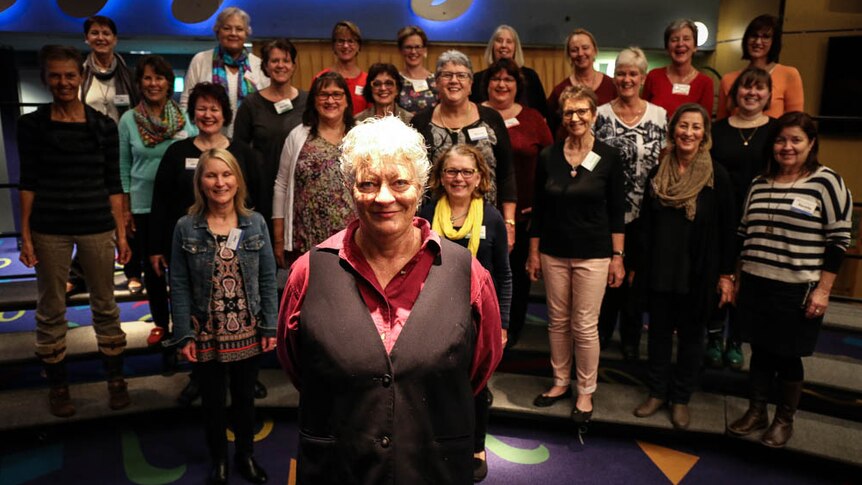
Joy Cran (East Ballina), Marcia Bourne (Ballina) and Shirley Oag (Alstonville) have a few things in common. They are aged over 80 and proudly remember their dads who fought at Gallipoli. In joining the Ballina RSL Club's ANZAC Day tour, these ladies are realising a life-long dream.
Their stories were recently reported in the Northern Star, the Ballina Shire Advocate and the Northern Rivers Echo. We retell parts of those stories here.
Joy Cran's father - Arthur Howell - was an 18 year old in E Company, the 13th Battalion of the AIF. “I've always wanted to go to Gallipoli because he was there”, said Joy. “When you get to my age, you start thinking back – he was only a boy.”
As a little girl Marcia Bourne would watch her father’s tears as the Last Post sounded each ANZAC Day. “Dad would always cry on ANZAC Day and I've inherited that," Marcia said. "I'll have to take a bucket-full of tissues when I go... to actually see where my dad fought will be an emotional experience.” Marcia’s father was in his 30s when he landed in Gallipoli as a medic in the Australian Medical Corps. "He was in the same group as Simpson, the soldier who was famous for rescuing men on his donkey - my dad was in the thick of it."
Shirley Oag's father - Billy Gwynne - was also one of the original ANZACs. He fought in Gallipoli before transferring to France and ending up a prisoner of war. He returned to Australia after the war with a new Scottish bride, set up a farm in Goonellabah and fathered four children.
"My father rarely spoke about his experiences," said Shirley. "Little things would come out on ANZAC Day, but what is there to talk about? To see your mates killed in front of your eyes" the mind boggles as to what that would feel like."
Shirley confessed that nothing could prepare her for the emotions she will feel at Gallipoli. "It will be very moving for me and I will find it very emotional retracing my father's footsteps," said Shirley. "There are no winners in war, and even though I have been raised proudly in the ANZAC tradition and I don't think ANZAC Day should ever be forgotten, it would be lovely if we could all live in peace."
BALLINA'S ANZAC DAY 2008 Community Program
Friday 25th April
| TIME | EVENT / LOCATION |
|---|---|
| 0530 | DAWN SERVICE (RSL Memorial Park, Grant Street) |
| 0845 | BUS DEPARTS - PILGRIMAGE TO CEMETERY (East Ballina) |
| 0915 | PILGRIMAGE AT CEMETERY |
| 1025 | MARCH ASSEMBLY (Old Post Office, Cnr. Martin & River Sts) |
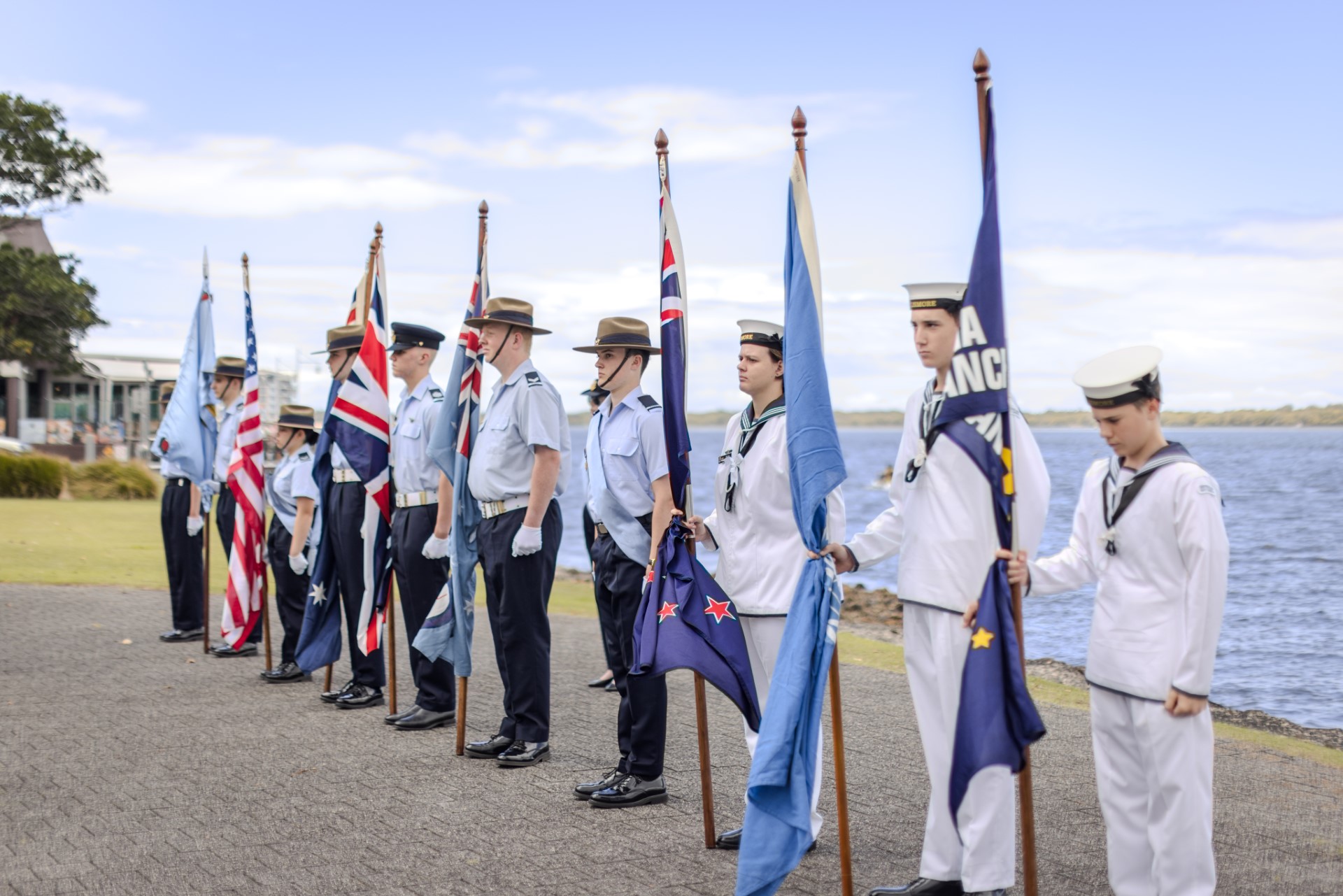
| 1035 | ANZAC DAY MARCH (From assembly area to the RSL Memorial) |
| 1055 | COMMEMORATIVE SERVICE (RSL Memorial Park, Grant Street) |
| Play 2-Up at the Ballina RSL Club from 2pm | |
Did you know?
- 25 April was officially named ANZAC Day in 1916; in that year it was marked by a wide variety of ceremonies and services in Australia, a march through London, and a sports day in the Australian camp in Egypt.
- During the 1920s, ANZAC Day became established as a national day of commemoration for the 60,000 Australians who died during the war. All the States observed a public holiday on ANZAC Day from 1927.
- By the mid-1930s the rituals we associate with the day - dawn vigils, marches, services, reunions, two-up - were part of ANZAC Day culture.
- The Dawn Service has its origins in a routine which is still observed by the Australian Army. The half-light of dawn is one of the most favoured times for an attack. Soldiers in defensive positions were therefore woken up in the dark so that by the time the first light crept across the battlefield they were alert. This is known as "Stand-to".
- The first Dawn Service was held at the Sydney Cenotaph in 1927. Dawn services were originally very simple and were often restricted to veterans. The daytime ceremony was for families and well-wishers, the Dawn Service was for old soldiers to remember and reflect.
In recent times families and young people have been encouraged to take part, and services in capital cities have seen some of the largest turnouts ever.
(Source: www.awm.gov.au)
The Next Generation of the Ballina RSL Sub Branch
We recently caught up with 4 of the youngest members of the Ballina RSL Sub-Branch All four are locals, from Ballina or Alstonville, and as the ‘next generation’ of our RSL Sub-Branch they’ve had varied military experiences.
Peter Crossingham, the youngest at just 30, served in the army for 9 years. He travelled to East Timor three times between 2000 and 2005. In East Timor, he was involved in water patrols. He described his first trip to Timor as being ‘adrenalin-filled’ and a ‘big adventure’. However, things changed by the third time round. He said, “You go over there to do what you’ve been trained to do. Of course, once you’re there, it’s not what you expect. What I remember most about my third visit is the smell … and then counting the days until we could depart”. With a young family back home, Peter decided it would be best to return to civilian life.
Tony Grant served for 19 years in the Australian infantry and as a medic. He saw service in East Timor, Malaysia and Ashmore Reef Naru. Tony spoke of incidents from survival training in Malaysia and his experiences as a medic in East Timor... from giant monkeys descending upon his camp in the middle of the night … to helping a Timorese mother who had been badly brutalised. Medically discharged three years ago, he said that support from both his wife (also associated with the military) and his army mates was priceless.
Andrew Collinge has been in the Army for 16 years. He started in Sydney as an Assault Pioneer building bridges and has been in many different operations since, including the Ready Reaction Force set up after 9/11, Border Patrols and jungle warfare training. His service has taken him to Malaysia, Singapore and the Solomons. He was aboard the HMAS Ballarat the day it ran aground at Christmas Island and recalls the vast movement of the ocean near Christmas Island the day the tsunami hit. Andrew says his family copes well during his times away, but admits that it can be hard on the kids.
Darren Murnane has served part-time with the army over the past 15 years. Training exercises have taken him to various locations in Australia, New Zealand and Hawaii. Such exercises see him away for around 2 – 4 weeks at a time. He called severe training exercises in the mountainous areas of New Zealand ‘enjoyable’ and gave a humorous account of hot meals dropped to the forces from a helicopter in Hawaii … they were authentic ‘KFC’!
Asked about the importance of the RSL Sub Branch and their reasons for joining, Peter, Tony, Andrew and Darren all strongly emphasised the “community” aspect and the irreplaceable bonds that exist between ex-service personnel.
The RSL is about carrying forth a legacy, it’s about learning and understanding, commemoration, remembrance and reflection. It’s about the tight community that is forged when one has served their country. Such mateship bonds were forged many years and wars ago … and similar bonds are still being forged today.

(pictured with Ballina RSL Sub-Branch President, Noel McCallum … left to right … Peter Crossingham, Tony Grant, Andrew Collinge & Darren Murnane)